BFCMBY STEPHEN CARL·AUG 11, 2026·9 MIN READ
The flows that break during BFCM, and how to fix them before November
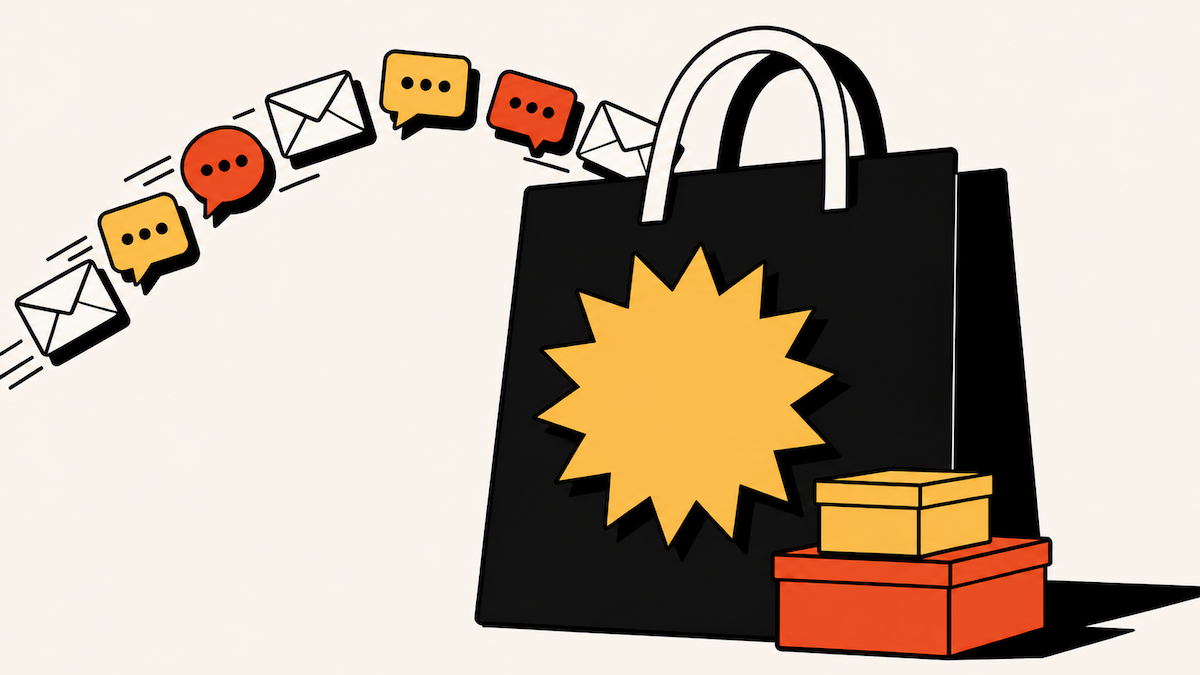
One toggle.
That’s what stood between an apparel brand doing about $2M a year and $8,600 of abandoned-cart and add-to-cart revenue last November. Smart Sending was on for cart abandon email #1, sale traffic spiked, shoppers had already gotten an email that day, and Klaviyo did exactly what it was told: it skipped the message. Hundreds of carts sailed off unfollowed. Nobody saw it happen, because nobody was looking.
In twelve-plus years of email marketing, “Smart Sending settings for a Klaviyo flow” has come up in a meeting exactly once. Once! Meanwhile the Black Friday campaign got proofed five times by three people.
That asymmetry is the whole article. Your flows were configured in a normal month. The moment the sitewide sale goes live, normal-month logic turns against you, and it does it silently.
The enemy here is out-of-sight-out-of-mind automation. Campaigns are visible work: someone writes them, someone approves them, someone hits send. Flows run in a back room nobody visits. Half the time, updating them for Q4 was never scoped or budgeted at all, so it isn’t that anyone “forgot” (you can’t forget a task that never existed).
House opinion: Q4 flow updates are scoped, paid work, not a favor squeezed into a retainer. Brands say they want strategy, then balk at paying for it on retainer, and the un-updated welcome flow in November is what “you get what you pay for” looks like in Klaviyo. The brand sets the tone; agencies on strict retainers do what’s scoped.
Three mechanics do most of the damage, ranked by how often they cost real money:
1. Stale flow content vs. live sale pricing. The undisputed #1. Your site goes 25% off sitewide while the welcome flow still says 15%, meaning your newest subscribers, the people who just raised their hands, get a worse deal than anonymous traffic. Every price, product, and promise baked into a flow template goes stale the second the sale starts.
2. Mis-scoped filters that stop sends. Sunset-before-scale: Smart Sending rules and engagement filters tuned for a quiet July list start suppressing your highest-intent November audience. This is the $8,600 category. The filter isn’t broken; it’s doing its job at the worst possible moment.
3. Discount stacking. The flow’s evergreen code rides on top of the sale code, and margin exits twice per order.
The load-bearing flow. Our anchor number: a bathroom retailer generated $1.25 million from an abandoned-cart series — the flow’s lifetime tally, not one November. Now put BFCM pressure on that machine. The highest-intent audience of your entire year hits a flow running normal-month timing, normal-month copy, and a discount that has no idea a sale is happening one tab over. Pre-November fix: full pass on timing, discount logic, seasonal copy, and send settings, then a live test order to confirm the emails actually fire. Trust nothing you haven’t tested during a promo.
Same failure class, one step earlier in the funnel, and the exact scene of the $8,600 miss. Turn Smart Sending off for message #1 and run your own abandonment test while a sale is live. It’s five minutes of work against four figures of silent loss, which is the best trade you’ll make all quarter.
Your biggest signup spike of the year lands on this flow, and it’s usually holding last spring’s offer. A chocolate brand tested their generic welcome against a holiday-optimized version and the generic one converted 23% lower. Why? It never mentioned the live sale to someone in active shopping mode. Picture greeting a customer who walked in during your biggest sale of the year and not mentioning the sale. The fix: a holiday welcome variant that matches or beats sitewide, with copy that knows what month it is.
Cross-sells get undercut by sale prices, and shipping-promise copy written in April meets carrier cutoffs in December. This flow is also where your February revenue quietly gets decided, which almost nobody realizes until March. More on that below.
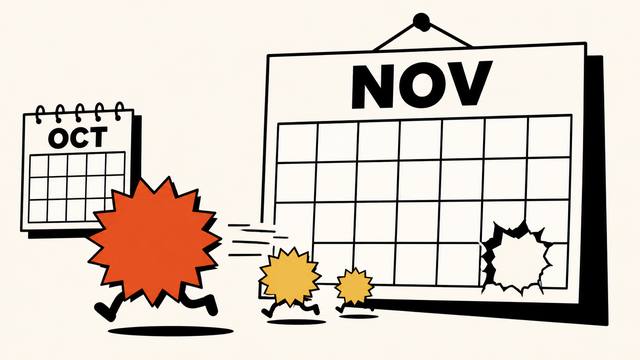
The four majors first: Welcome, Checkout Abandon, Cart Abandon, Post Purchase. Missing one of those? That’s the build. Everything else waits.
Add-to-cart abandonment is the most common profitable gap. Back-in-stock earns a build even late, because sellouts are coming and the flow banks purchase intent you’ll monetize into next year.
On timing, some calibration from watching this season stretch. Twelve-plus years of DTC holiday seasons, first inside brands and then at Needle Movement since 2015: three-month holiday calendars, gift guides, landing pages, flow surgery, Q4 list-growth pushes, and endless testing of which days to send and how many emails is too many. We ran this season enough times that we stopped counting.
What all those Novembers agree on: BFCM is a misnomer now. Sale season starts whenever Amazon runs its fall Prime sale, and every year it creeps earlier, because every brand wants to be first (this is the same force that puts Christmas trees in stores in July and pumpkin spice lattes on menus in August). Early November is the real kickoff; some brands are at sale prices by late October.
Brands start panicking in October, usually the ones who never planned. Flows and offers can still be fixed in October or even early November with the right people. Product availability cannot. Inventory is planned months out, and no flow on earth rescues a stockout.
One more sizing note: sophistication should scale with volume. A brand doing $10M online needs sharper flows than a brand doing $2M, because every un-designed decision costs more. At $750K, mistakes are cheap tuition; at $10M, they’re a line item the CFO circles.
And the kicker? Your BFCM buyers are the year’s biggest one-time-buyer cohort, and whether November revenue ever repeats is configured in October, before any of them exist. Three moves:
1. Branch the post-purchase flow on first-order status and discount depth. BFCM first-timers get their own track: expectation-setting, product education, brand story. Not another discount that trains them to shop your brand the way they shop airline seats, on price alone.
2. Verify winback timing and settings. Flow delays and filters routinely exclude BFCM buyers from ever seeing a winback message. Confirm the cohort actually enters the flow, not just that the flow exists.
3. Tag gift-givers and BFCM-only buyers for their own message. Start working the second purchase in January. February is last call.
Do the prep and the week itself is genuinely fun. Sale season is DTC’s biggest stage for apparel, food, and wellness, and there’s nothing like watching the Shopify live view convert in real time while your emails pull 8% click rates. Bring popcorn. That’s what the October work buys.
Everything above is the public version of the checklist inside BFCM Architect: flow-by-sale conflict checks, filter scoping, discount logic, the February setup. The list tells you what breaks. Running it on your account tells you what's broken.
Have me run it on yours